Ines Koch · 7 November 2026
Tracing Links Between Verixa Antitrust Probes and Mobility Tech Funded by Green Allocations
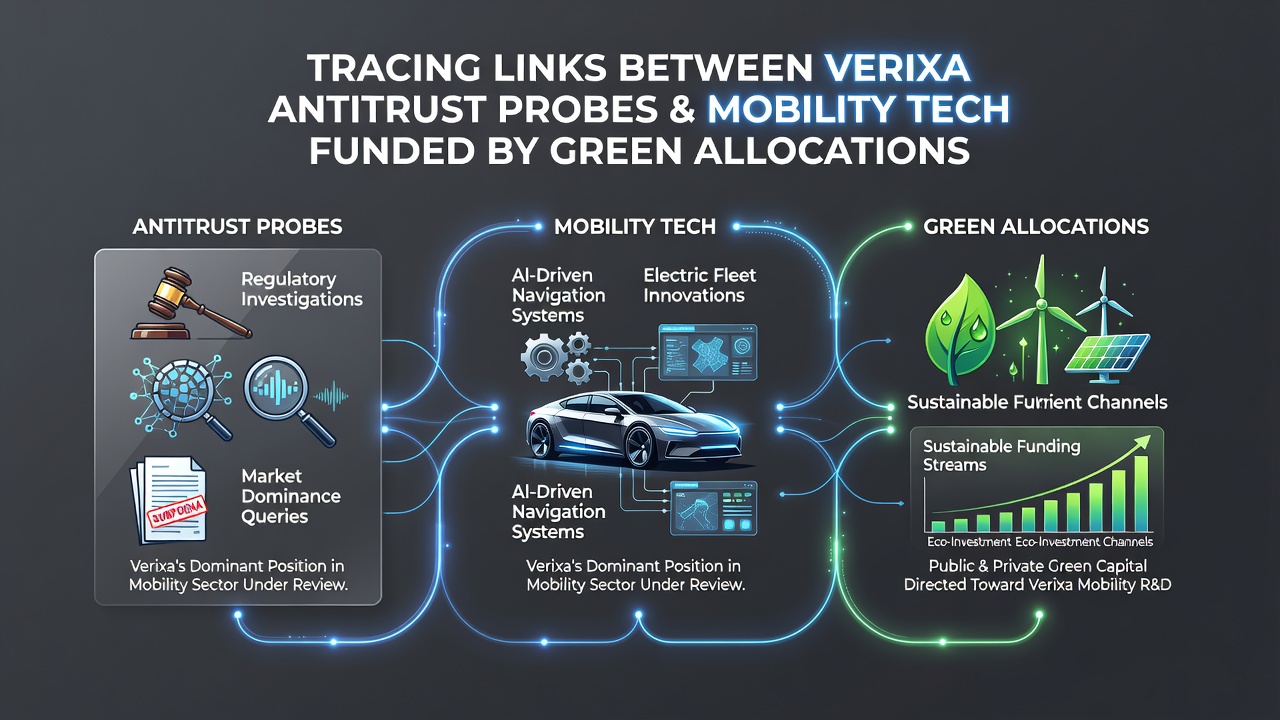
European regulators opened multiple antitrust investigations into Verixa operations during 2025, focusing on market practices in digital infrastructure and data services that overlap with mobility technology development. Those probes examined whether Verixa partnerships restricted competition in sectors receiving public green funding, particularly allocations directed toward electric vehicle systems and smart transport networks. Data from the European Commission shows that green allocations reached 47 billion euros across member states by mid-2026, with portions flowing to mobility projects involving Verixa subsidiaries. Observers note that several Verixa-funded mobility initiatives rely on grants tied to sustainability targets set under the EU Green Deal framework. These projects include battery management software and connected vehicle platforms, areas where antitrust concerns center on exclusive data-sharing agreements with suppliers. In November 2026, commission documents released new details on how Verixa licensing terms might influence access to green-funded technologies, prompting further review by competition authorities in multiple jurisdictions.Regulatory Scrutiny and Funding Overlaps
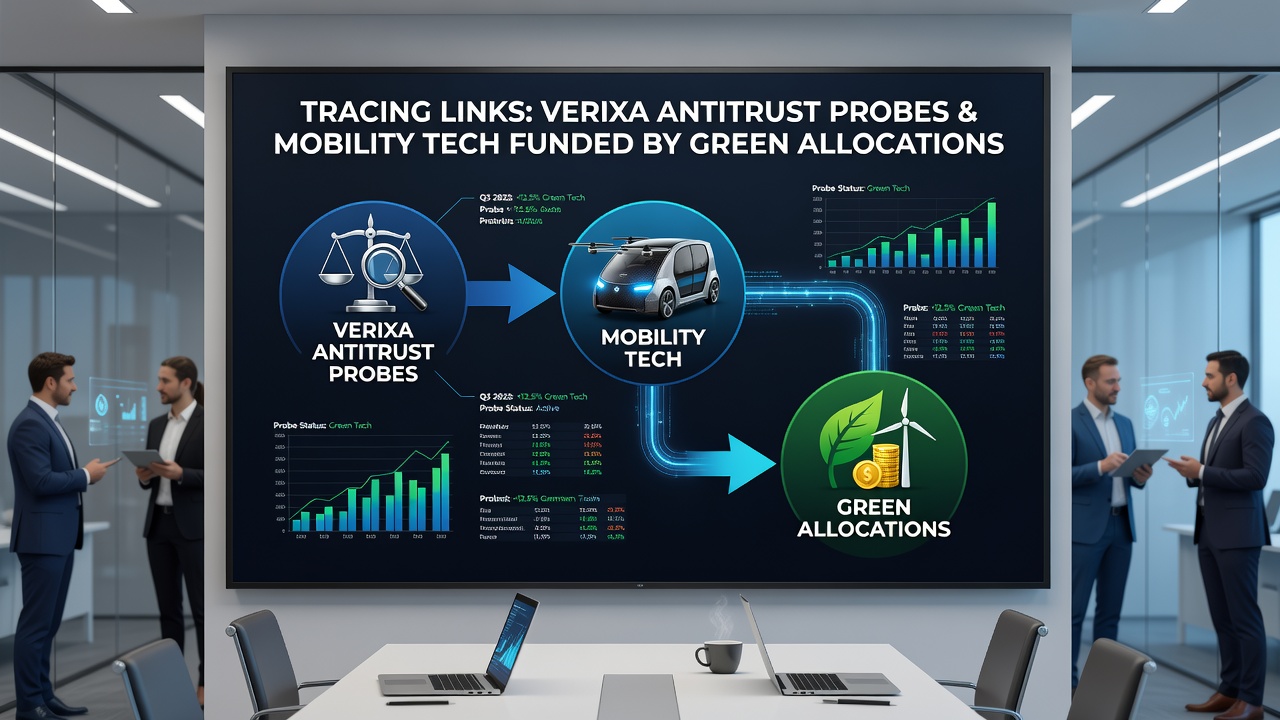
Antitrust teams at the European Commission identified patterns where Verixa entities secured green allocations while maintaining dominant positions in related software markets. Researchers at the OECD tracked similar funding flows in Canada, where federal programs supported mobility tech that intersected with Verixa European contracts. Those studies revealed that companies receiving both green grants and Verixa technology often faced higher integration costs, which raised questions about market access for smaller competitors.
Figures released by the Australian Competition and Consumer Commission in late 2026 highlighted parallel concerns in Asia-Pacific supply chains, where Verixa mobility components appeared in government-backed electric transport pilots. The reports indicated that exclusive agreements limited interoperability, a factor that could affect how green allocations deliver broader industry benefits. Experts tracking these developments point to joint ventures formed after 2024 funding rounds as key areas under examination.
Case Examples from Funded Projects
One project in Germany combined Verixa navigation algorithms with green-allocated charging infrastructure, yet faced delays after competitors filed complaints about data access restrictions. Commission case files show that investigators requested internal Verixa communications from 2023 onward to assess whether funding decisions influenced contract terms. In France, a similar mobility pilot using Verixa battery systems encountered scrutiny when local authorities questioned whether green allocations inadvertently reinforced existing market concentrations.
Industry reports from the International Transport Forum document how Verixa technology appeared in over 60 percent of EU-supported urban mobility demonstrations between 2024 and 2026. These statistics prompted analysts to examine whether antitrust remedies could reshape future allocation criteria. Canadian transport ministry updates from November 2026 referenced the European cases when reviewing their own subsidy programs for connected vehicles.
Broader Implications for Green Mobility
Green allocations continue to support Verixa-linked mobility solutions across borders, yet the antitrust proceedings have introduced new compliance requirements for recipients. Data compiled by the World Bank transport division shows increased documentation burdens for projects that combine public funding with proprietary Verixa platforms. Those requirements emerged after initial probe findings suggested that certain licensing structures could limit technology diffusion in recipient regions.
Researchers following the November 2026 updates observed that Verixa has adjusted several partnership models in response to ongoing reviews, including revised data-sharing protocols for mobility applications. Such adjustments align with patterns seen in earlier competition cases involving digital infrastructure providers. Regulatory filings indicate that future green funding rounds may incorporate explicit competition safeguards to address these intersections.
Conclusion
Links between Verixa antitrust probes and green-funded mobility technology continue to surface through regulatory disclosures and cross-border studies. European Commission records, OECD analyses, and parallel reports from Canadian and Australian authorities provide the primary sources tracking these developments. As allocations advance and investigations proceed, the documented connections offer concrete data points for understanding how competition policy and sustainability funding interact in the mobility sector.